Residential Masterplan,
Saudi Arabia.
A spatial framework for community and landscape.
Contemporary residential developments in the region must balance density, privacy, climate, mobility, landscape quality, and long-term community value. The challenge is not only to organise buildings, but to create a spatial framework capable of supporting everyday life, identity, and adaptability.
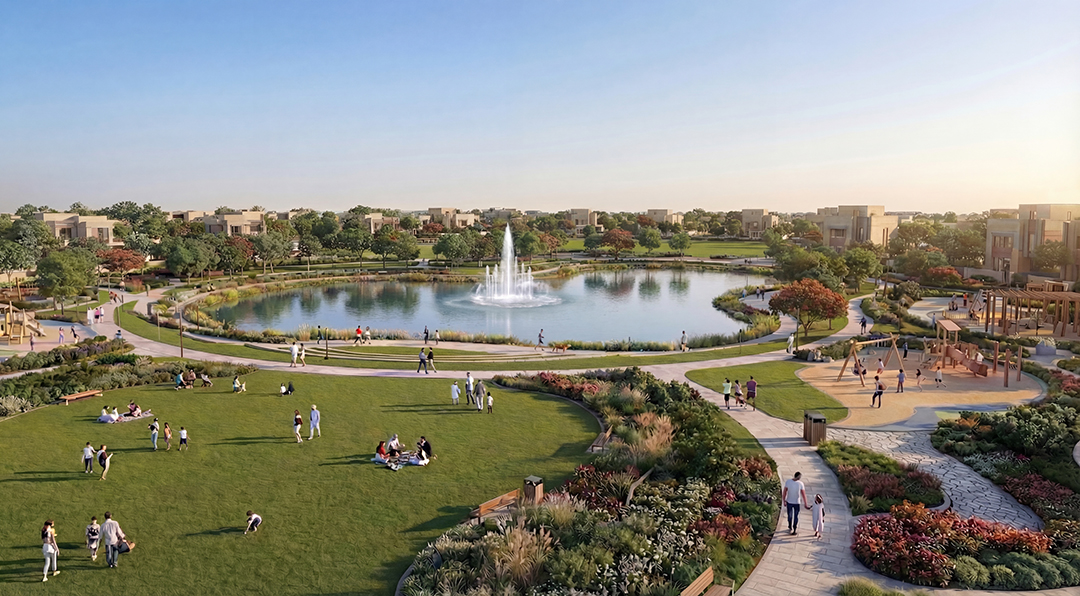
This 300,000 m² masterplan proposes a residential community structured around a clear spatial hierarchy, legible neighbourhood structure, and integrated pedestrian network. Rather than treating shared outdoor space as leftover territory between buildings, the masterplan positions landscape, shaded corridors, and civic spaces as the primary organising infrastructure of the development.
The design responds directly to the arid climate of central Saudi Arabia and the cultural expectations of privacy, community, and outdoor life in the Kingdom. Every decision — from block orientation to planting strategy to the sequence of public spaces — is informed by the specific conditions of the site, the region, and the people who will inhabit it.
Structuring community through spatial intelligence.
Clear Spatial Hierarchy
The masterplan establishes a legible gradient from public to private, structuring the transition from community-scale boulevards through neighbourhood streets to intimate residential clusters.
Integrated Pedestrian Network
Shaded pedestrian corridors and continuous walking routes connect residential clusters to public amenities, forming an alternative mobility layer independent of vehicular infrastructure.
Climate-Responsive Spaces
Public spaces are designed for the extreme climate of central Saudi Arabia — oriented for prevailing winds, shaded by structural canopies and tree cover, and activated across different times of day and seasons.
Landscape as Infrastructure
Landscape is treated not as decoration but as connective infrastructure — linking neighbourhoods, managing microclimate, and providing the spatial identity that distinguishes the community.
Legible Neighbourhood Structure
The development is organised into distinct, identifiable neighbourhoods — each with its own spatial character, communal spaces, and relationship to the broader public realm sequence.
Public Realm as Social Backbone
Streets, gathering spaces, pocket landscapes, and landscape buffers form a continuous civic system — the social backbone of the community rather than leftover space between buildings.
The public realm as the project's primary civic asset.
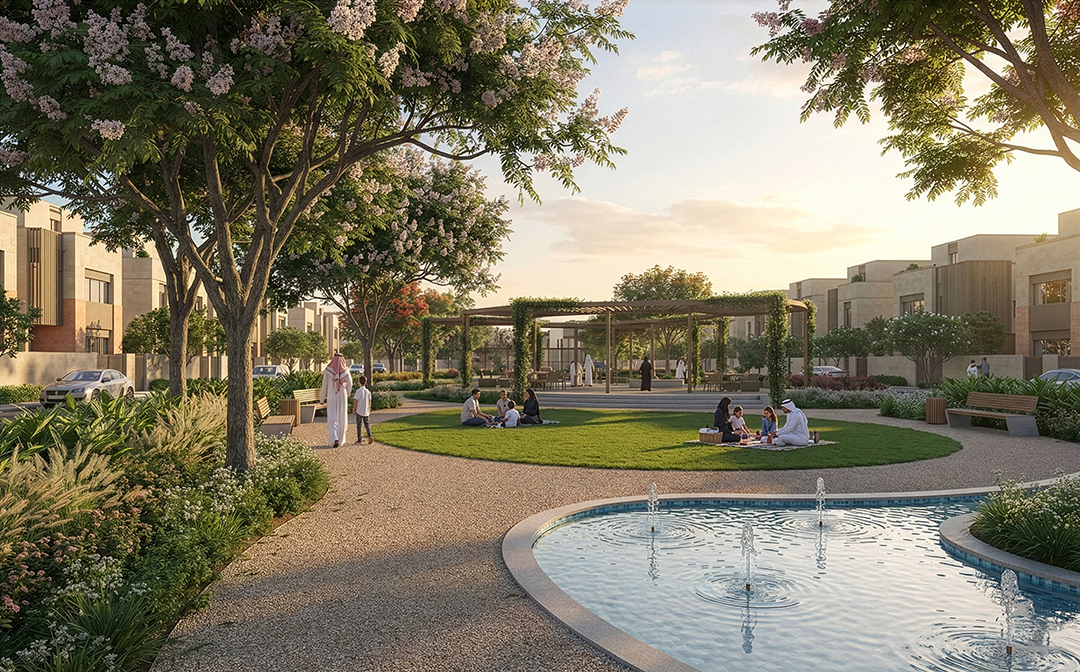
The public realm is treated as the project's primary civic and experiential asset. Streets, shaded pedestrian corridors, pocket landscapes, gathering spaces, and landscape buffers form a continuous civic system rather than residual territory between buildings.
This approach ensures that the quality of life within the community is defined not by individual plots alone, but by the richness, coherence, and liveability of the shared landscape that connects them. The civic space becomes the element that gives the development its identity, its social function, and its long-term value.
Spatial quality aligned with development logic.
The masterplan is structured to support both spatial quality and development logic, aligning land-use organisation, movement, landscape identity, and future adaptability within one coherent framework.
Phasing logic, plot rationalisation, infrastructure efficiency, and the capacity to absorb market shifts are embedded in the spatial structure from the outset — ensuring the masterplan performs as a commercial instrument as well as a design vision.
Rooted in the climate and culture of central Saudi Arabia.
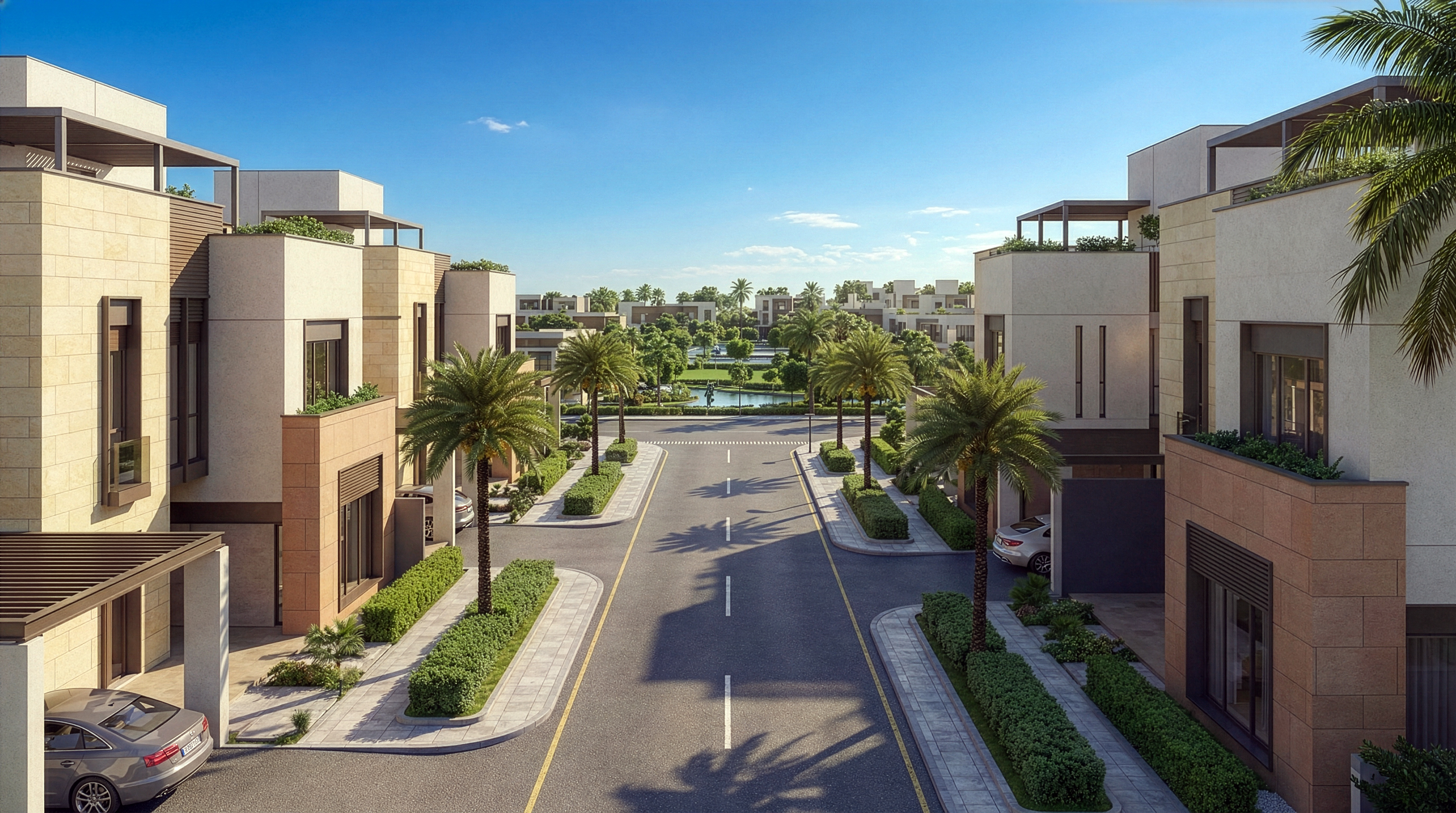
Najdi architecture developed as a precise response to heat, privacy, material availability, and social life. Its language is defined by compact massing, thick walls, shaded courtyards, recessed openings, articulated parapets, and carefully controlled thresholds. Built from earth-toned local materials, the architecture protects from the sun while creating inward-facing spaces for family life, hospitality, and daily rituals.
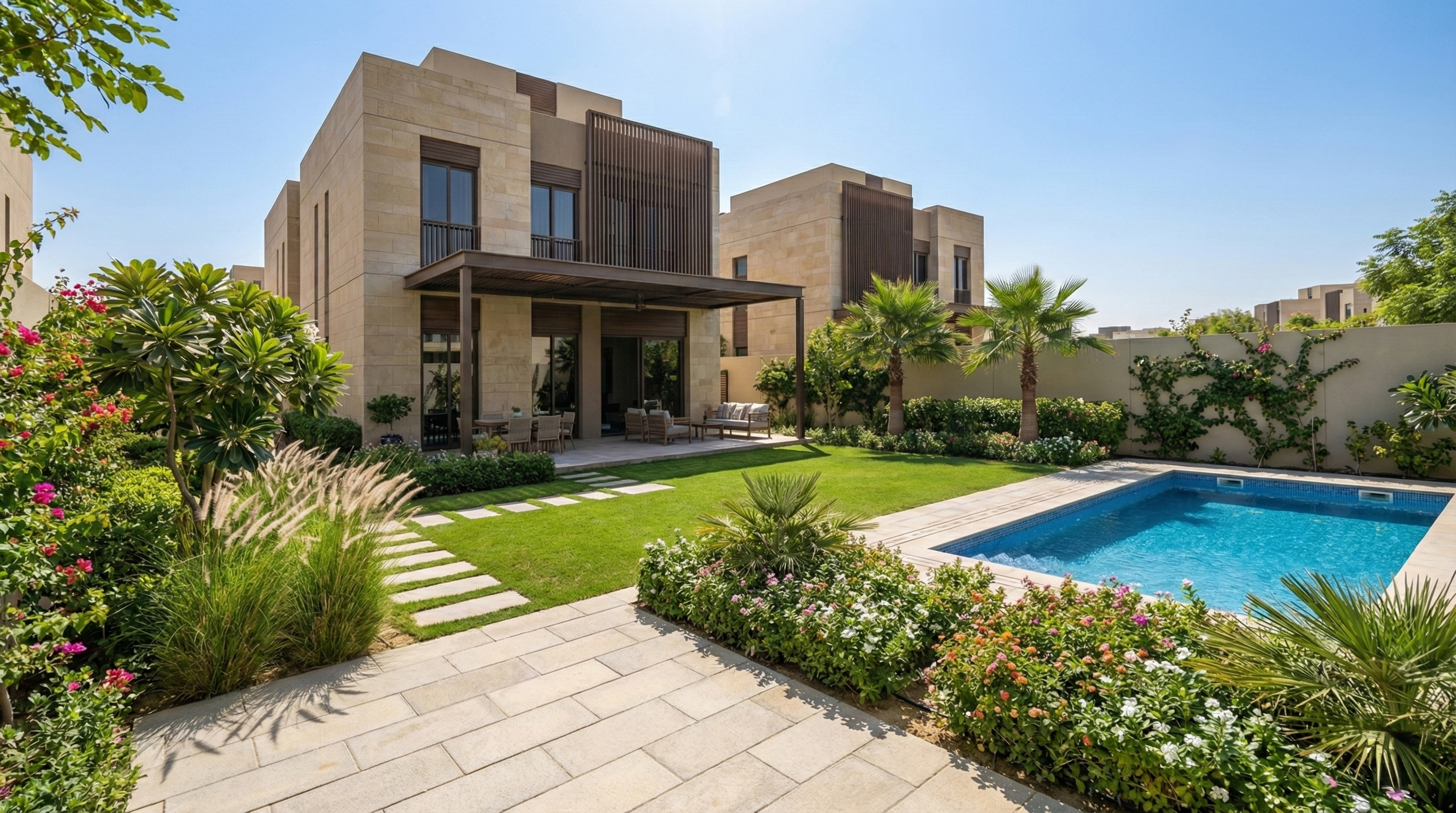
For this project, the Najdi language is not copied as ornament. It is reinterpreted through a contemporary architectural system: clean interlocking volumes, deep wall planes, filtered openings, shaded exterior rooms, and a restrained material palette aligned with the environmental character of central Saudi Arabia. The result is architecture that feels grounded, private, and climate-responsive — contemporary in its geometry, yet rooted in regional memory.
From Najdi memory to contemporary desert precision.
The following sequence presents selected facade elements from a broader design study. Each element is shown as a relationship between traditional Najdi cues, contemporary interpretation, and architectural application for a private residence within the masterplan.
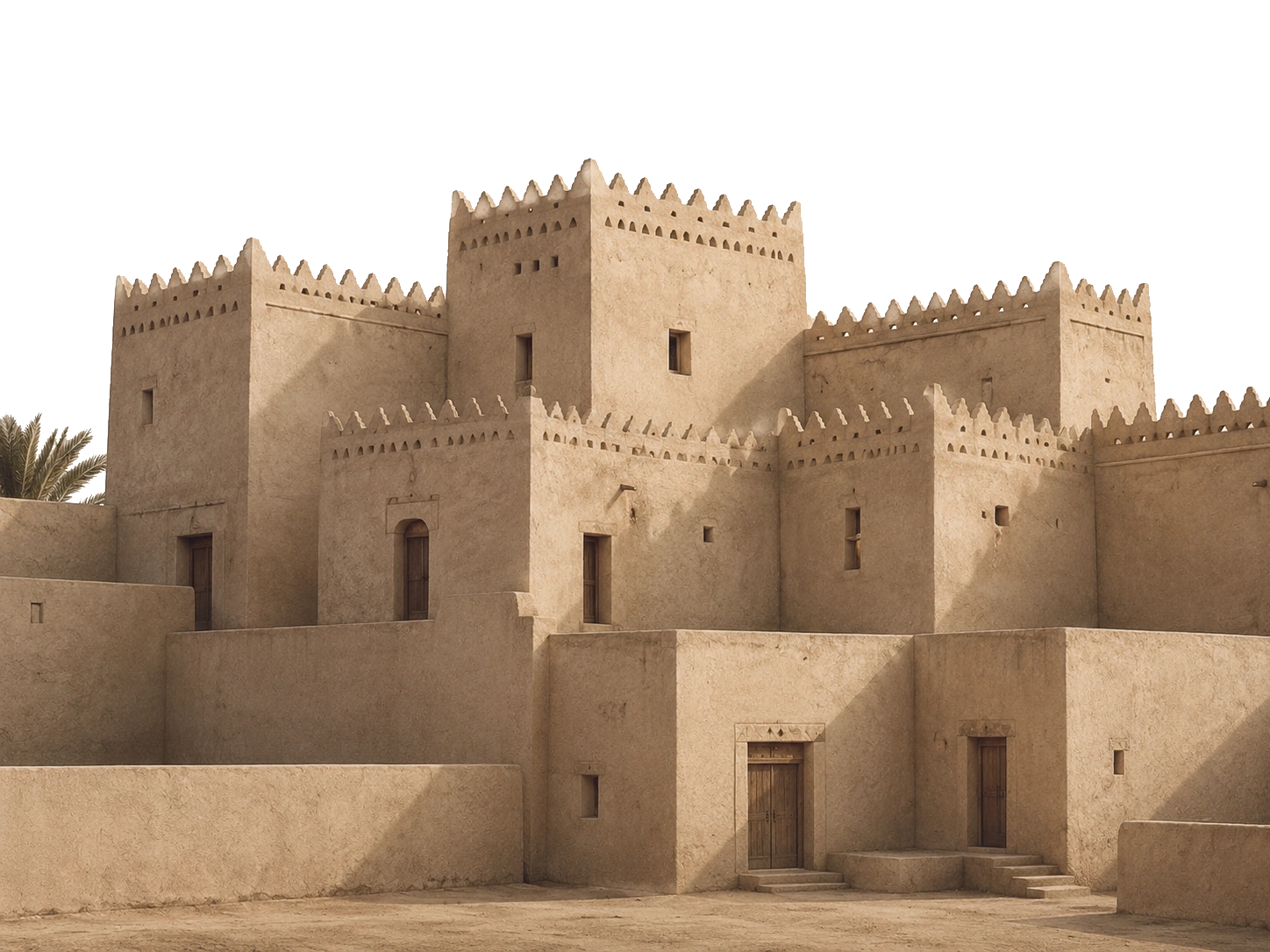
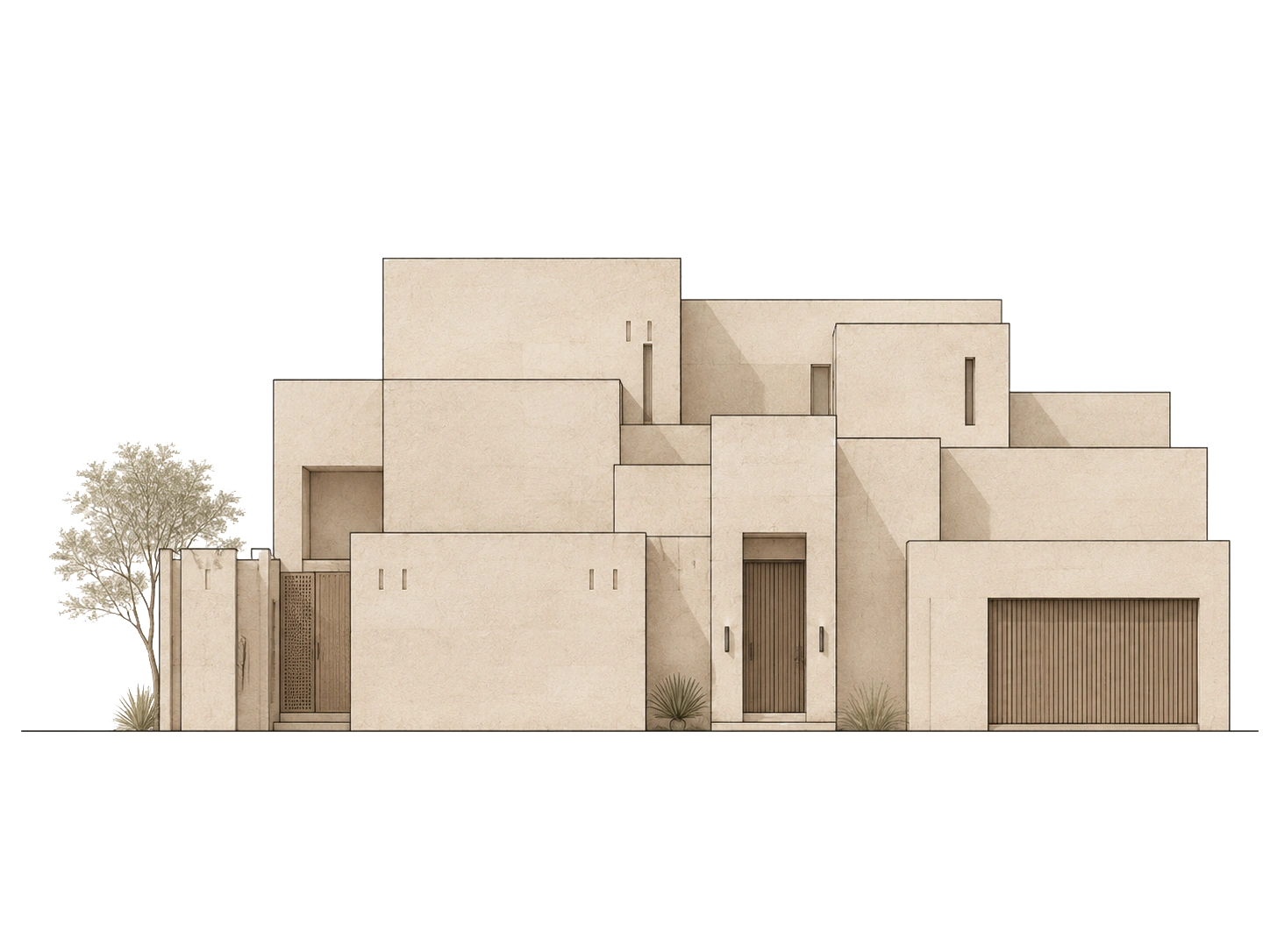


Najdi Massing
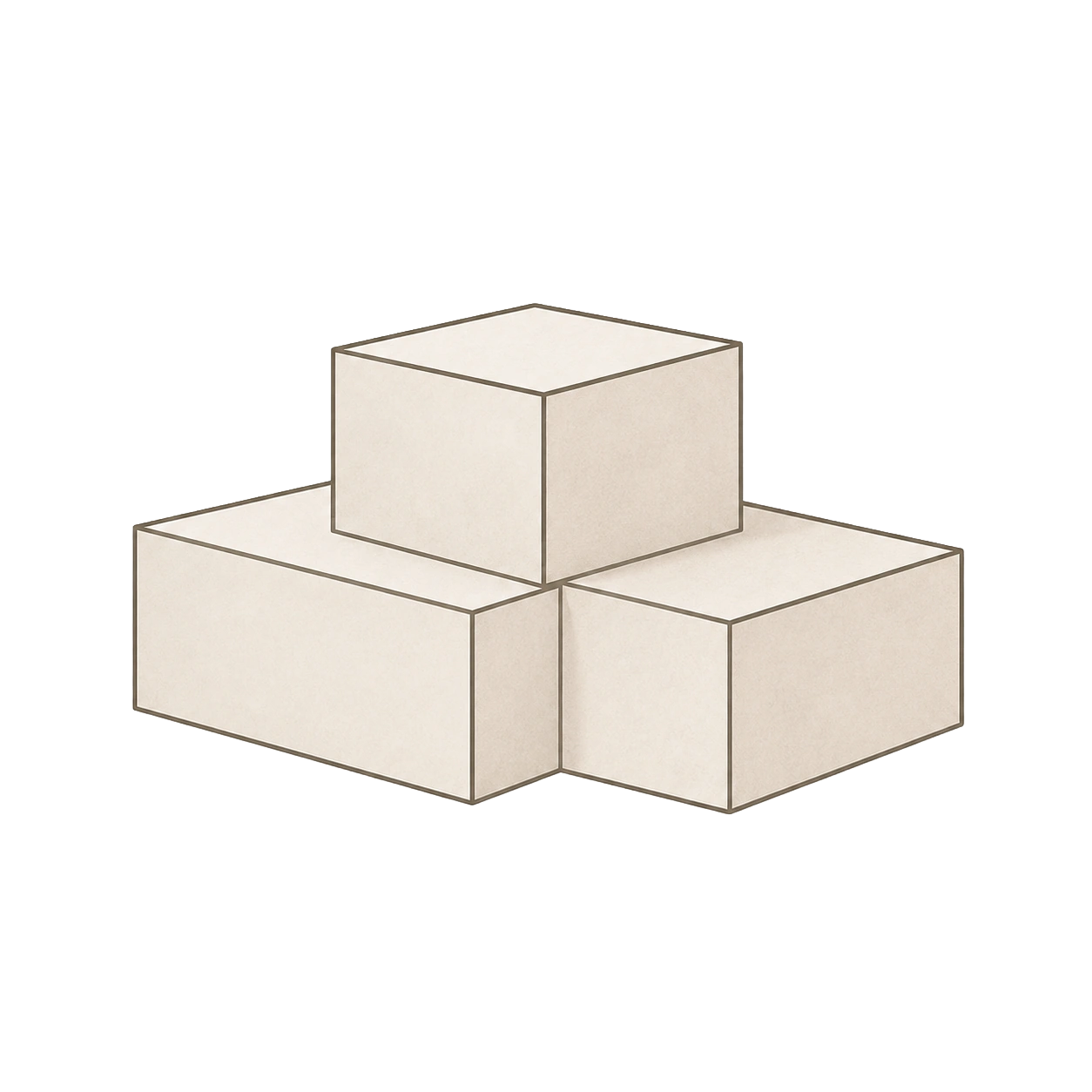
Compact cubic volumes, thick load-bearing walls, articulated parapets and deep shadow lines define the Najdi residential vocabulary.
Clean interlocking volumes and deep wall planes reinterpret the traditional massing hierarchy with geometric discipline and material restraint.
Stepped volumes, recessed entries and layered facades create a villa silhouette that is grounded, private, and climatically responsive.

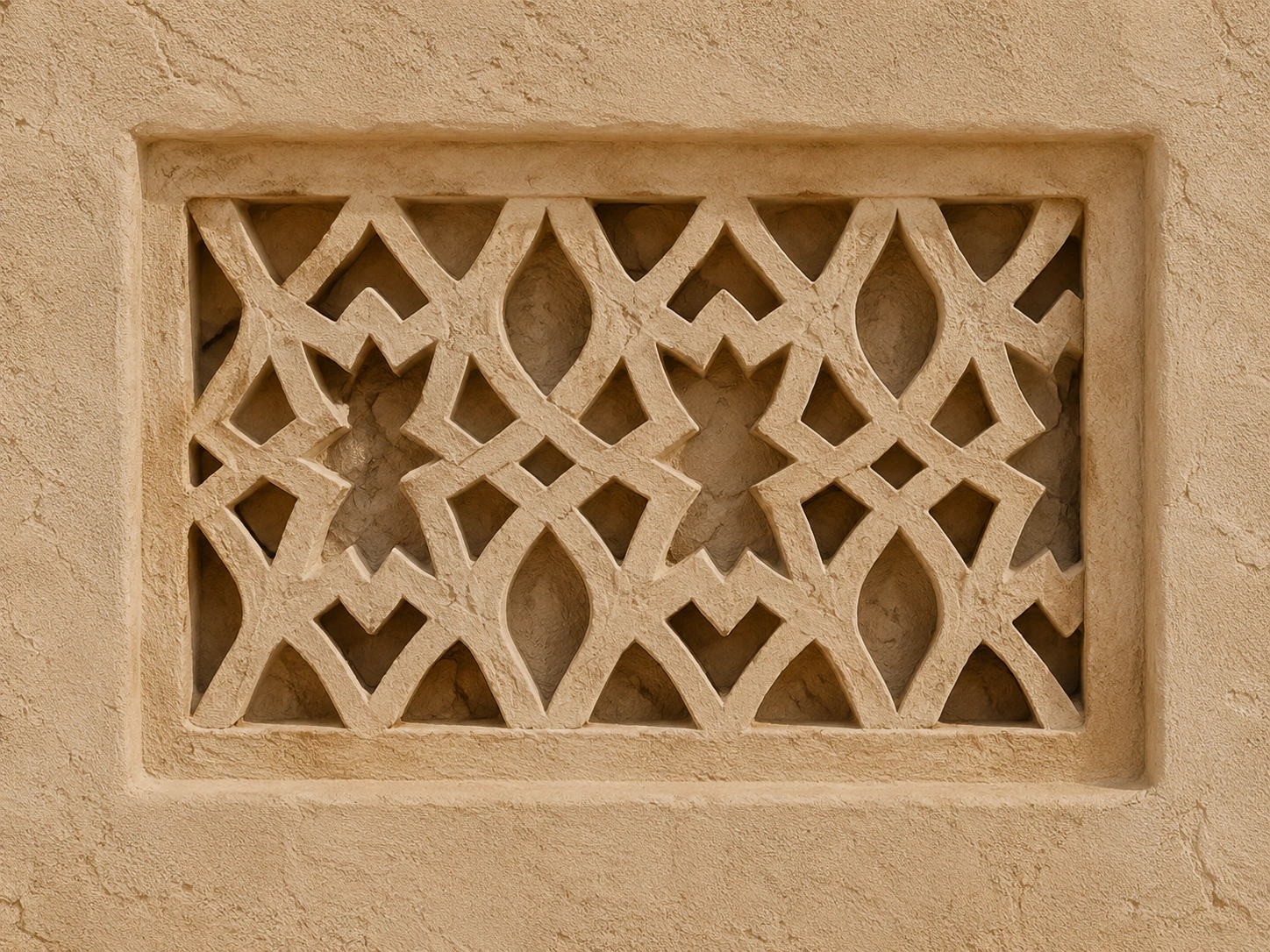
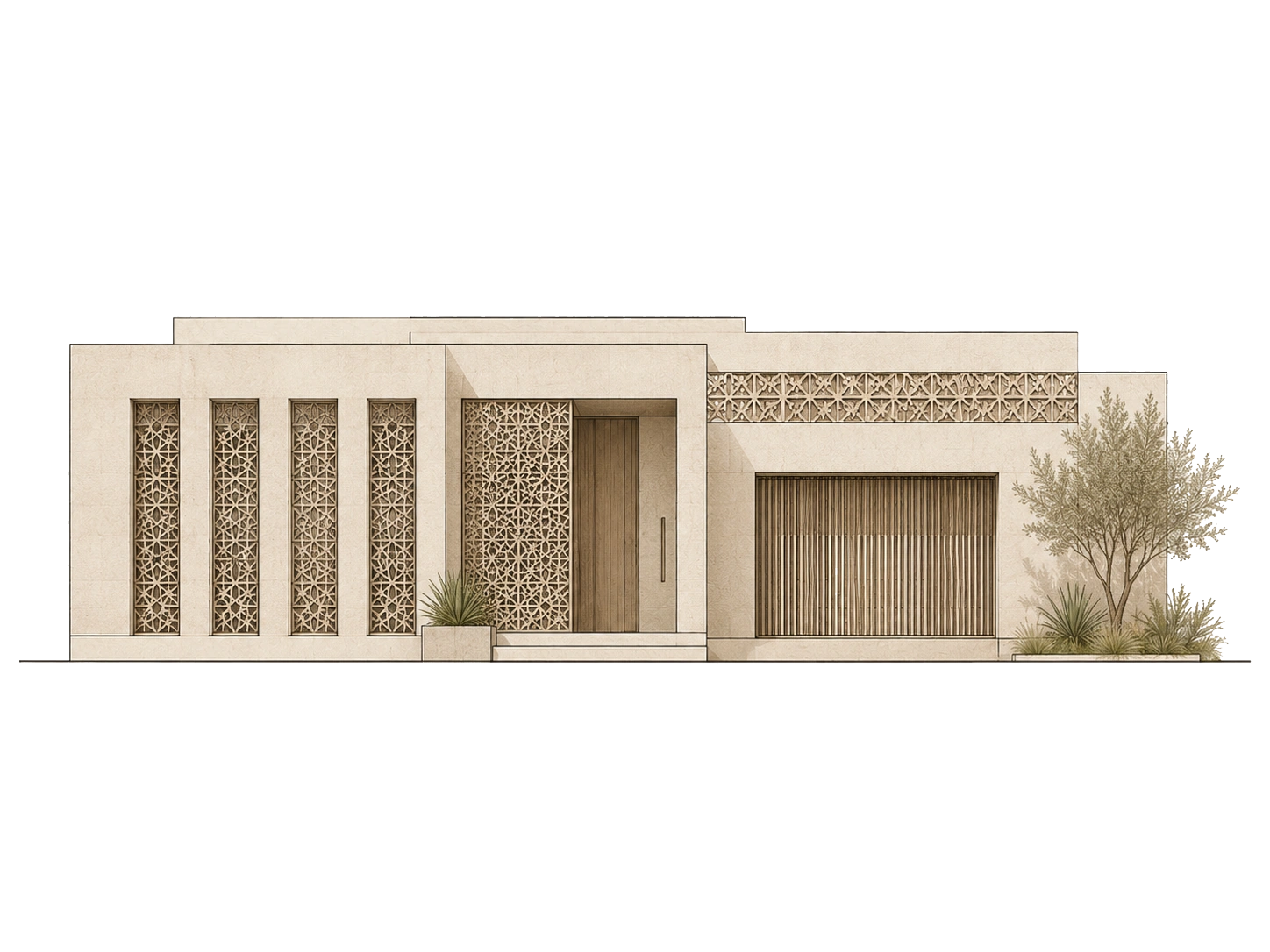
Najdi Screens
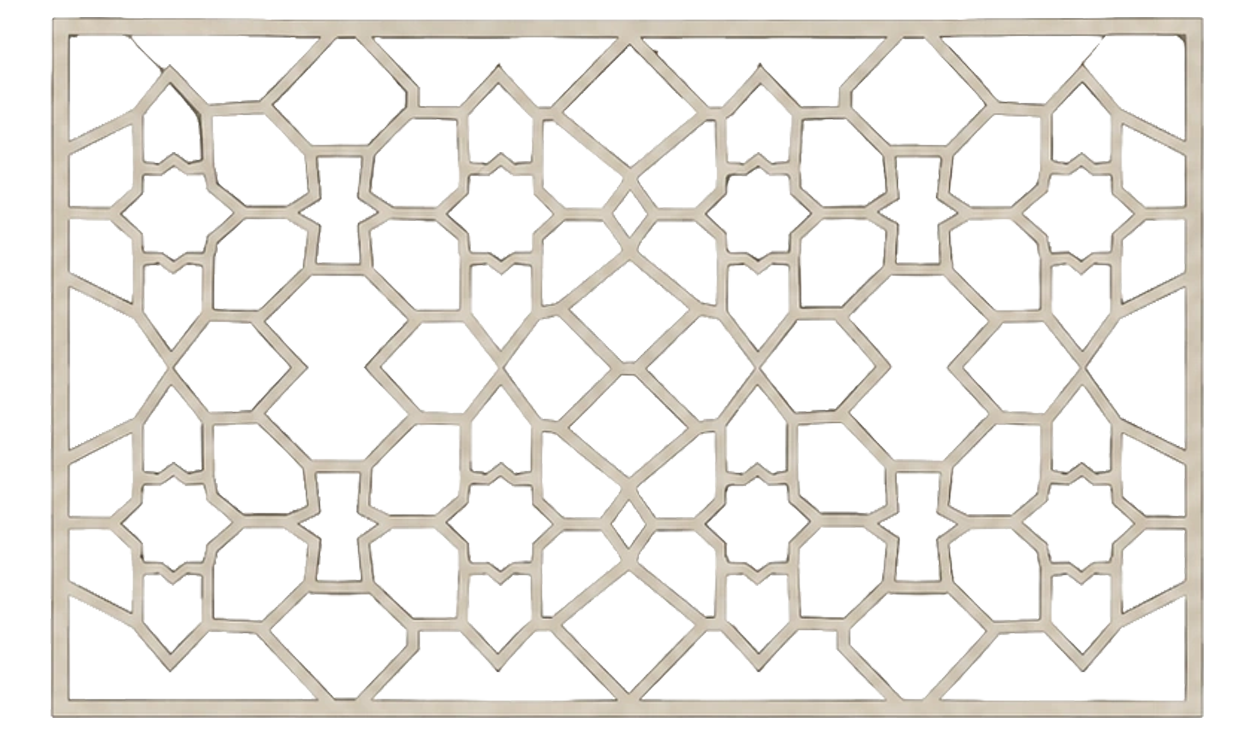
Hand-carved stone screens and geometric lattice panels filter harsh desert light while maintaining airflow and visual privacy.
Traditional geometric patterns are abstracted into precise contemporary screening elements, integrated as functional facade devices controlling light, privacy, and thermal performance.
Screens operate as the principal environmental and aesthetic device of the facade — filtering daylight, defining rhythm, and embedding cultural identity within a contemporary architectural language.
Planning a residential or mixed-use development?
ABYZ supports developers, landowners, and public-sector stakeholders in shaping strategic masterplans, public realm frameworks, and development narratives for ambitious projects.